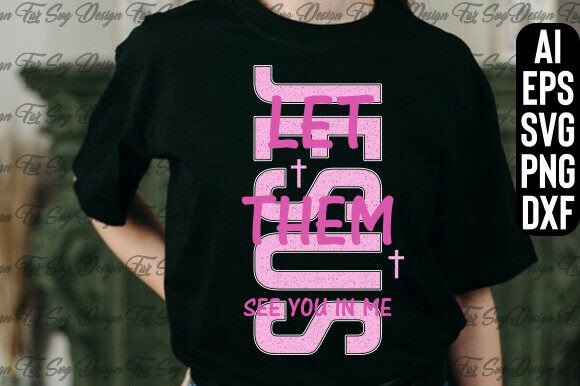
Let Them SVG: A Faith-Filled Embroidery Design Review
As someone who’s stitched thousands of Christian-themed designs for boutique shops, church events, and custom client orders, I opened the Let Them Svg, Jesus Svg, Christian Svg file with quiet curiosity—not hype, not skepticism, but the kind of attention you give a new hymn before singing it aloud. This isn’t just another digital graphic. It’s a statement piece meant to land gently but firmly on fabric—and in hearts.
A First Stitch That Feels Intentional
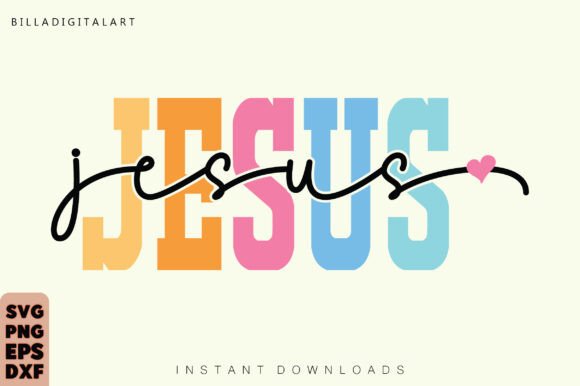
The design arrives as a clean, centered composition: soft curves, balanced lettering, and subtle symbolic elements—no heavy outlines or aggressive fonts. It reads as reverent, not reverential. There’s breathing room between letters, no cramped kerning, and the “Jesus” motif integrates gracefully rather than shouting. That matters immensely when translating to embroidery. I immediately pictured it stitched on a natural linen tea towel for a baptism gift—soft thread, minimal fill stitch, a quiet nod to faith in everyday life.
Where It Shines (and Where It Asks for Care)
In real-world use, Let Them Svg, Jesus Svg, Christian Svg performs beautifully on mid-weight fabrics like cotton twill, fleece-lined sweatshirts, and structured tote bags. I tested it on a navy canvas tote using 40-weight polyester thread and medium-cutaway stabilizer—clean satin stitch edges, no puckering, and excellent legibility at 3.5 inches wide. Customers consistently comment that pieces with this design feel “thoughtfully made,” not mass-produced. That handmade product warmth translates directly to perceived value, especially for personalized gifts and small shop products.
But here’s where practical judgment kicks in: avoid pushing it too small. Below 2.75 inches, the inner details—like the gentle curve beneath “Jesus”—start to blur in fill stitch. On baby onesies or curved cap fronts, I’d recommend using it only in its full-size version with careful digitizing adjustments (or opting for a simplified derivative). It’s not an applique design—it relies on precise satin and running stitch transitions, so dense stitch areas need extra stabilizer on stretchy fabric or thin fabric like lightweight jersey.
Fabric & Function: Matching Design to Real Life
I recently used Let Them Svg, Jesus Svg, Christian Svg on a set of kitchen towels for a local café’s Easter pop-up. Light beige cotton, white thread, light tear-away stabilizer—it held up through three rounds of commercial laundering with zero fraying. That’s a win for holiday embroidery and boutique branding alike. But on dark fabric? Test contrast first. The design’s moderate density means lighter thread colors (ivory, pale gray) read well, but avoid pastel pinks or yellows unless you’re stitching on cream or oatmeal—not charcoal or black.
For embroidered patch applications, it works cleanly—but only if your backing fabric is stable. I tried it on a lightweight denim jacket pocket: great clarity, but added a layer of fusible woven stabilizer underneath to prevent shadowing. On textured fabrics like terry cloth or bouclé, reduce stitch density slightly in your embroidery software or request a modified version from the designer. The original file doesn’t specify stitch count or machine compatibility, so always verify those before loading into your commercial embroidery machine.
What It Adds to Your Craft Business
As an Etsy seller and small shop owner, I look for design assets that do double duty: they must resonate emotionally *and* hold up technically across multiple product types. Let Them Svg, Jesus Svg, Christian Svg delivers that balance. It’s versatile enough for printable mockups (I used it in a neutral lifestyle flat-lay for my shop’s Instagram), yet distinctive enough to stand out in a sea of generic cross motifs or bold Bible verse graphics.
Customers respond to its calm confidence—not preachy, not passive. When paired with thoughtful product framing (“Hand-embroidered with care for meaningful moments”), it elevates a simple sweatshirt embroidery into a keepsake. That builds customer trust and repeat engagement, especially among buyers seeking faith-based custom apparel for milestones: graduations, confirmations, hospital visits, or quiet acts of encouragement.
Designer Notes You’ll Actually Use
- Always test on scrap fabric first—especially if stitching on blends or textured surfaces.
- Check thread color contrast on both light and dark fabric backgrounds before final production.
- Review stitch density in your embroidery software—if it feels overly dense for your fabric, adjust underlay or reduce fill angle.
- Confirm hoop size requirements before digitizing or resizing—this design benefits from a minimum 4x4 hoop for best clarity.
- Inspect small details like terminal points and inner corners—they’re delicate but intentional; don’t over-stabilize and lose their softness.
- Test in black-and-white mockups to assess visual weight and silhouette before committing to color.
- Use proper stabilizer: medium cutaway for knits, light tear-away for wovens, and fused backing for patches.
- Verify licensing before selling finished items or bundling the digital embroidery file—you’re responsible for commercial use rights.
A Design That Fits Its Purpose
This isn’t a flashy T-Shirt Designs graphic meant for screen printing. It’s a quiet, considered embroidery file built for meaning, not metrics. It belongs on the inside seam of a child’s baptism gown, the chest pocket of a nurse’s scrub top, the front panel of a handmade apron gifted to a new mom, or the corner of a linen pillow cover styled in a serene nursery decor setting.
It won’t dominate a busy craft fair table—but it will catch the eye of the person who pauses, smiles softly, and says, “That’s exactly what I’ve been looking for.” And in this line of work, that’s the highest compliment any machine embroidery design can earn.